
Understanding Nutrient Synergies
Nutrient synergism refers to the concept that certain vitamins and minerals interact within the body to enhance absorption or efficacy. Understanding these interactions provides insight into how food combinations support nutritional function.
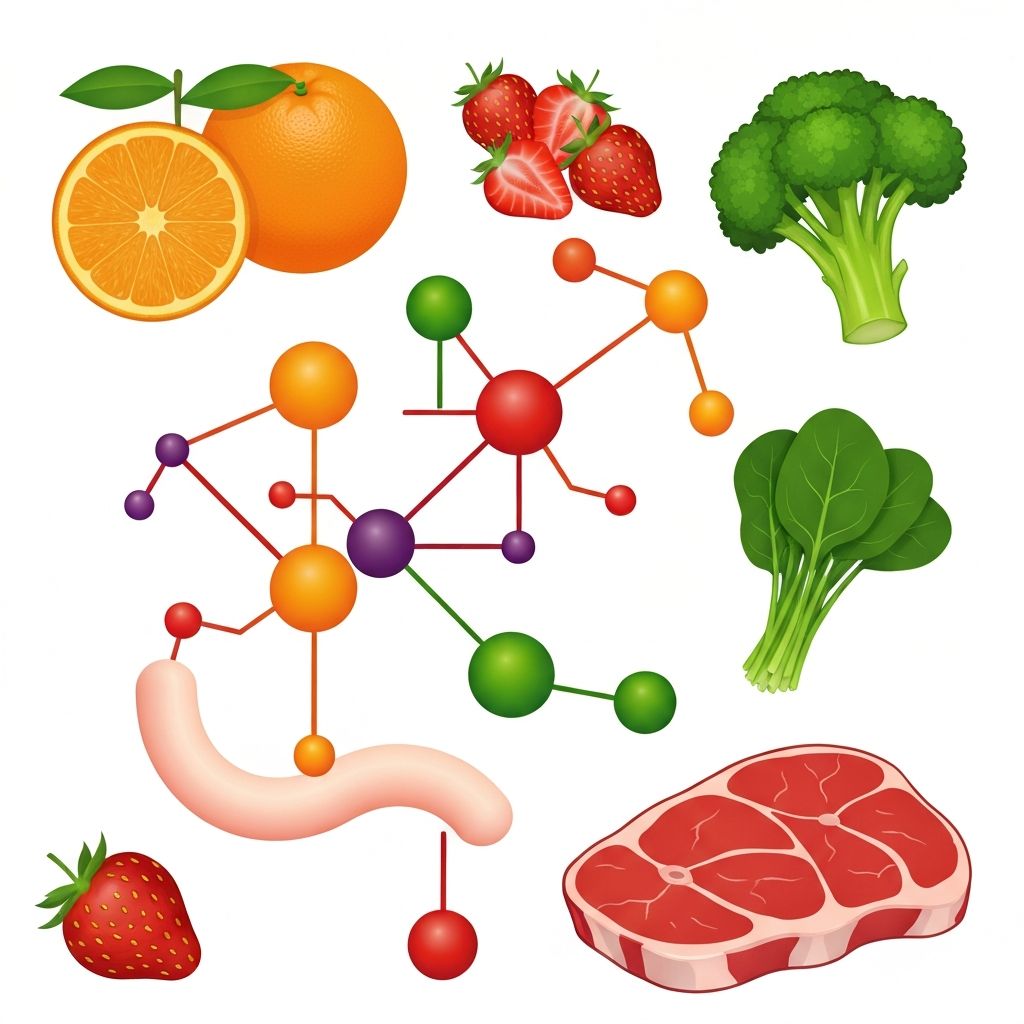
What is Nutrient Synergy?
Nutrient synergy occurs when the presence of one nutrient enhances the absorption or effectiveness of another. These interactions are studied to understand how food combinations influence nutritional outcomes.
Rather than existing in isolation, nutrients work within complex bodily systems where various compounds interact and support one another. This highlights the benefit of consuming diverse, whole foods rather than isolated nutrients.
Examples of Nutrient Interactions
Vitamin C and Iron Absorption
Vitamin C enhances the absorption of iron from plant-based sources. Consuming citrus fruits, tomatoes, or bell peppers with legumes or leafy greens illustrates this principle in practical eating.
Vitamin D and Calcium
Vitamin D regulates calcium absorption in the intestines. This interaction highlights why both nutrients are important for bone health. Adequate vitamin D supports the body's ability to utilize dietary calcium.
Fat-Soluble Vitamins and Dietary Fat
Vitamins A, D, E, and K require dietary fat for absorption. Consuming these fat-soluble vitamins with foods containing healthy fats enhances their bioavailability and utilization by the body.
Zinc and Copper Balance
Zinc and copper interact in the body, with their balance being important for various physiological functions. The ratio and absolute amounts of both minerals contribute to optimal function.
Lycopene and Beta-Carotene
Carotenoid compounds such as lycopene and beta-carotene found in vegetables interact within the body. Consuming a variety of colorful vegetables provides diverse phytonutrients that work synergistically.
Magnesium and Vitamin B6
These nutrients work together in amino acid metabolism and other bodily processes. Both are found in whole grains, legumes, and leafy greens, illustrating how whole foods provide complementary nutrients.
Implications for Diet
Understanding nutrient synergies underscores several dietary principles:
- Food Diversity – Consuming a variety of whole foods provides multiple nutrients and their synergistic interactions.
- Whole Foods Over Isolated Nutrients – Whole foods contain nutrient combinations that work together, whereas isolated supplements lack these interactions.
- Meal Composition – Combining foods thoughtfully enhances nutrient absorption and utilization.
- Natural Variation – The complexity of nutrient interactions explains why dietary patterns developed by different cultures often include complementary foods.
Important Note on Supplementation
While nutrient synergies highlight the benefits of whole foods, individual circumstances vary. The balance of specific nutrients and their interactions depends on overall diet, health status, and individual needs. Supplementation decisions should be made in consultation with a qualified healthcare provider, as excessive amounts of certain nutrients can interfere with others.
Limitations & Context
This information is for educational purposes only and does not constitute medical advice. Nutrient interactions are complex and individual responses vary. For personalized nutritional guidance, consult a qualified healthcare professional.